Nudging
A nudge changes how a choice is presented while leaving alternatives available. The Lake Shore Drive example uses road markings to influence drivers’ sense of speed and encourage braking.
THE IDEA
Nudging
Busy people rely on rules of thumb because they cannot examine every choice at length. Those shortcuts often work, but they also make choices sensitive to how information and options are presented. Thaler and Sunstein illustrate this with road markings designed to encourage drivers to slow down.
One of the most scenic urban thoroughfares in the world is Chicago’s Lake Shore Drive, which hugs the Lake Michigan coastline that is the city’s eastern boundary. The drive offers stunning views of Chicago’s magnificent skyline. There is one stretch of this road that puts drivers through a series of S curves. These curves are dangerous. For a long time, many drivers failed to take heed of the reduced speed limit (25 mph) and wiped out. In response, the city adopted a distinctive way of encouraging drivers to slow down.
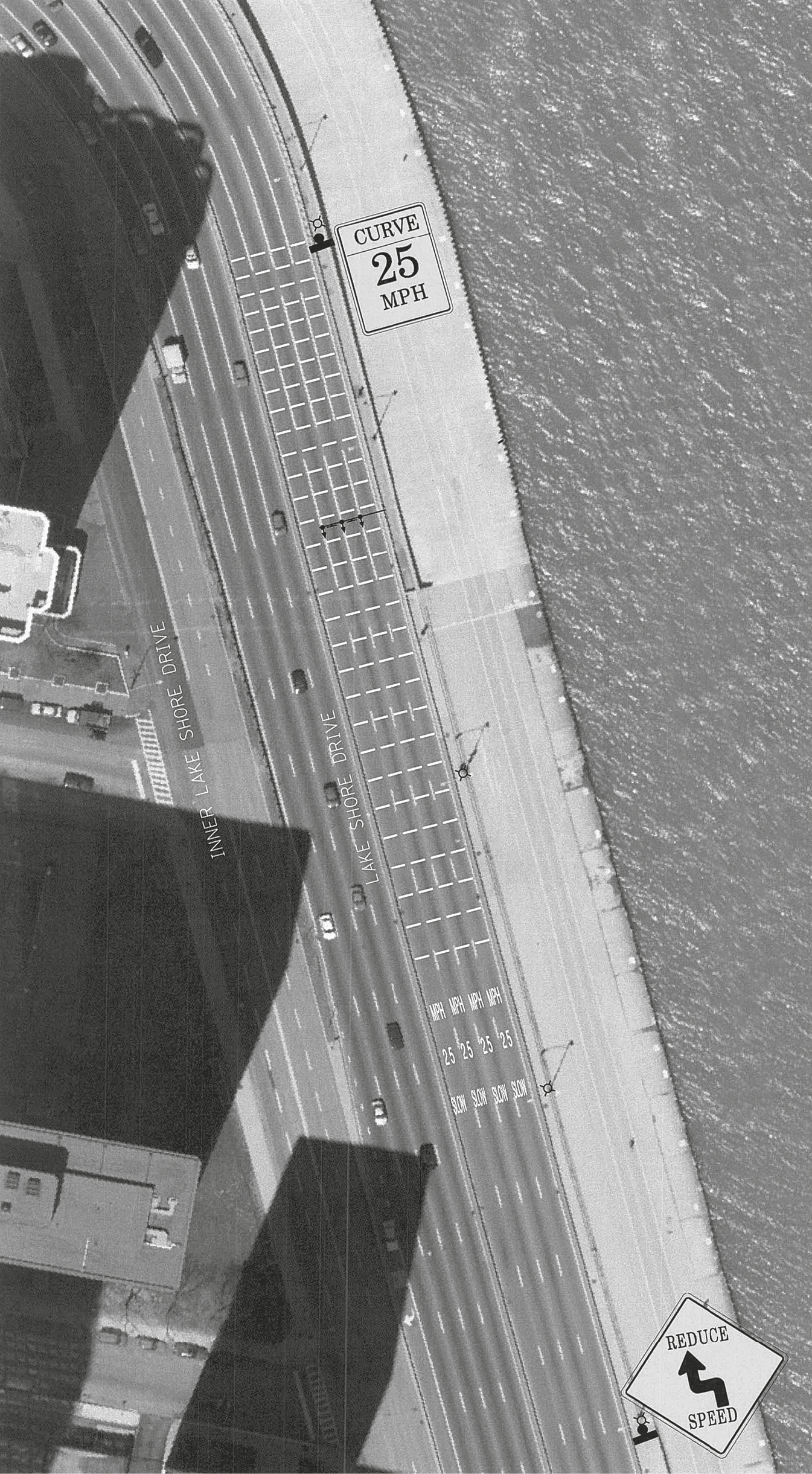
Figure 1.3. Lake Shore Drive, Chicago (Courtesy of the city of Chicago)
At the beginning of the dangerous curve, drivers encounter a sign painted on the road warning of the lower speed limit, and then a series of white stripes painted onto the road. The stripes do not provide much if any tactile information (they are not speed bumps) but rather just send a visual signal to drivers. When the stripes first appear, they are evenly spaced, but as drivers reach the most dangerous portion of the curve, the stripes get closer together, giving the sensation that driving speed is increasing (see Figure 1.3). One’s natural instinct is to slow down. When we drive on this familiar stretch of road, we find that those lines are speaking to us, gently urging us to touch the brake before the apex of the curve. We have been nudged.
When to use it
Automatically enrolling employees in a retirement savings plan with an opt-out option to increase participation rates.
Placing healthier food options at eye level in a school cafeteria to promote better eating habits.
Using visual cues like narrowing road markings to reduce vehicle speed in accident-prone zones.
FROM THEORY TO EVERYDAY LIFE
In practice
Lake Shore Drive Stripes
On Chicago's Lake Shore Drive, a series of white stripes painted on the road become closer together as drivers approach a dangerous curve, creating the illusion of increasing speed and nudging them to slow down naturally.
A MOMENT TO REFLECT
Put it to work.
Can you identify a nudge in your own environment that has influenced your behavior? How did it work?
What are the ethical boundaries of using nudges to influence people's decisions?
How might you design a nudge to encourage a specific behavior change in your community or workplace?
CONTINUE THE CONVERSATION
Source texts
- Nudge The Final Edition (Richard H. Thaler Cass R. Sunstein)