Diagnosis, Then Treatment
Identifying root causes (diagnosis) does not guarantee that effective solutions (treatment) will be implemented; stakeholder dynamics, cost-benefit debates, and resistance often block action even after a thorough root cause analysis.
THE IDEA
Diagnosis, Then Treatment
Major disasters such as the Titanic tragedy, 9/11, and the 2007–2008 financial crisis create pressure to address causes and prevent recurrence. That may strengthen the case for remedial action despite immediate costs and disruption. It does not guarantee agreement on what to do.
Of course, root causes may be identified when less serious things go wrong. In these circumstances, there can be a debate about what action, if any, should be taken. In High Reliability Organisations (HROs), you would normally expect to see a small incident serve as an ‘early warning sign’ to galvanise decision‐makers to act.
In other contexts, even regulated environments, if there is a minor incident, there can be tough negotiations about what action, if any, should be taken. The sort of argument and counterargument you might hear goes along the following lines:
‘It's obvious we should act now; the near miss is an early warning sign that something much bigger could have gone wrong. We should do something; otherwise, we have an accident waiting to happen’, versus ‘Perhaps there was a problem, but it was just a minor setback. Budgets are tight right now, and we have other, more pressing, goals. So, we can't embark on a costly remediation exercise to address something unlikely to result in a big problem in the near future’.
And, even when there have been significant problems, you can find some decision‐makers reluctant to act. For example, the author describes two UK reviews of action taken after public inquiries into substantial issues. These reviews of public inquiry action proposals have identified that a number of the proposals were not implemented, with a relatively opaque understanding of why this is so. As far as I can tell, at the time of writing, the two reviews into action implementation and the additional actions they proposed have not demonstrably secured a ‘step change’ in what is done in the United Kingdom.1 This raises questions about the value for money from inquiries and the risk of an element of ‘theatre’ with a limited appetite, or ability, to take determined action to address issues raised.
So, even if there are major setbacks, and especially if there appear to be just minor problems, you should not expect the process for agreeing to actions to be straightforward:
- First, there may be questions about whether the right causes have been identified.
- Second, there may be questions about the importance of the issue or risk.
- Third, there may be discussions about the likely cost/benefit case for different courses of action.
- Fourth, there may be questions about who will act.
- Fifth, there may be practical choices to make to track progress in fixing things.
A medical analogy helps separate the stages: why is the patient ill, what treatments are available, and which treatment will the patient agree to take?
Seen this way, we realise that a patient is entitled to say: ‘No, I don't want that treatment; it's too disruptive, too expensive’. It also reminds us that the patient might start a course of treatment and then give up. And finally, we should remember that, despite our best efforts in diagnosis and treatment, the disease may evolve or the treatment may not work.
Diagram 13.1 highlights the various stages that follow a root cause analysis (RCA) investigation or inquiry. Phase 1 covers the core RCA; Phase 2 highlights the options for action; Phase 3 illustrates implementing actions; Phases 4 and 5 remind us we should ensure the risk we were concerned about is now appropriately ‘under control’. Thus, even with a good RCA or inquiry, this does not guarantee the proper actions will be taken and sustained or that they will work.
RCAs and inquiries, done well, may ‘reach the parts other problem‐solving techniques cannot’. However, they still won't solve the stakeholder management and influencing challenges that can arise. This is one of the reasons I spend time working with clients on political savvy and influencing skills.
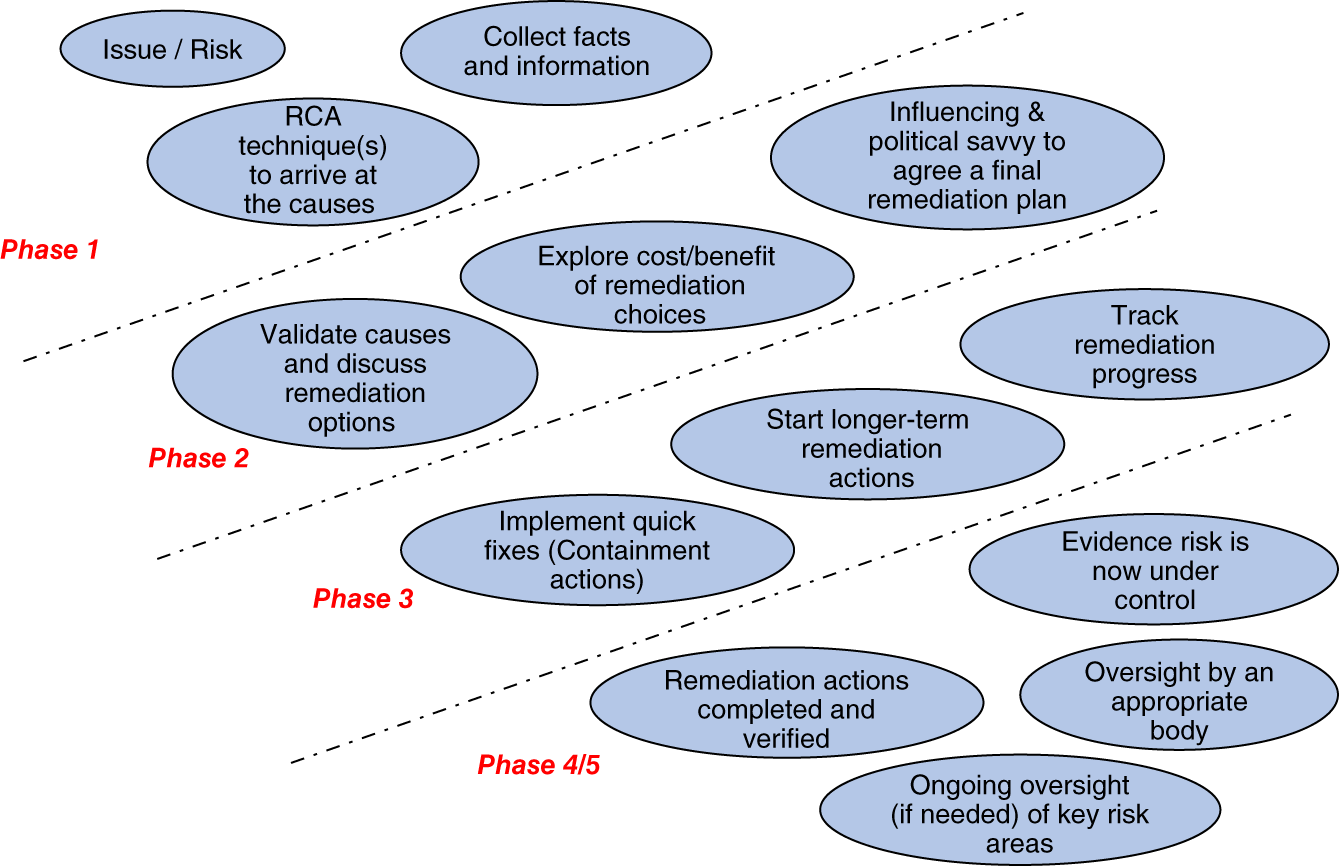
Diagram 13.1 RCA does not ensure everything will get fixed
When to use it
When conducting a post-incident review, ensure that the action plan includes clear accountability, milestones, and follow-up mechanisms to avoid the 'diagnosis-without-treatment' trap.
When a team identifies a systemic issue but faces budget constraints, use this framework to justify the long-term cost-benefit of remediation versus short-term savings.
When leading a change initiative after a crisis, anticipate resistance by mapping stakeholders' interests and developing influencing strategies before proposing solutions.
When evaluating a public inquiry or audit report, assess not only the quality of the diagnosis but also the likelihood that the recommended treatments will be implemented and sustained.
FROM THEORY TO EVERYDAY LIFE
In practice
Agreement After a Disaster
After a major disaster, an investigation may identify causes without securing agreement on remedies. Decision-makers still need to compare options, assign responsibility, and follow implementation. This illustrates the gap between diagnosis and treatment without assuming that an inquiry itself completes the work.
UK Public Inquiries
Paterson describes UK reviews that found public inquiry recommendations had not been implemented, with limited clarity about why. His account shows why the quality of an inquiry and the follow-through on its recommendations need separate assessment.
A MOMENT TO REFLECT
Put it to work.
Think of a time when a root cause analysis was conducted but the recommended actions were not fully implemented. What barriers existed?
How can the medical analogy of diagnosis and treatment help you frame a business problem where stakeholders are resistant to change?
What stakeholder management techniques could you use to bridge the gap between identifying a root cause and securing commitment to action?
Often confused with
CONTINUE THE CONVERSATION
Source texts
- Beyond the Five Whys Root Cause Analysis and Systems Thinking (James C. Paterson)