Biases and Blunders
The human mind is fallible and prone to systematic biases in perception and judgment, as illustrated by Shepard's table illusion where identical tabletops appear different due to contextual cues like legs and orientation.
THE IDEA
Biases and Blunders
Have a look, if you would, at the two tables shown in the figure below:
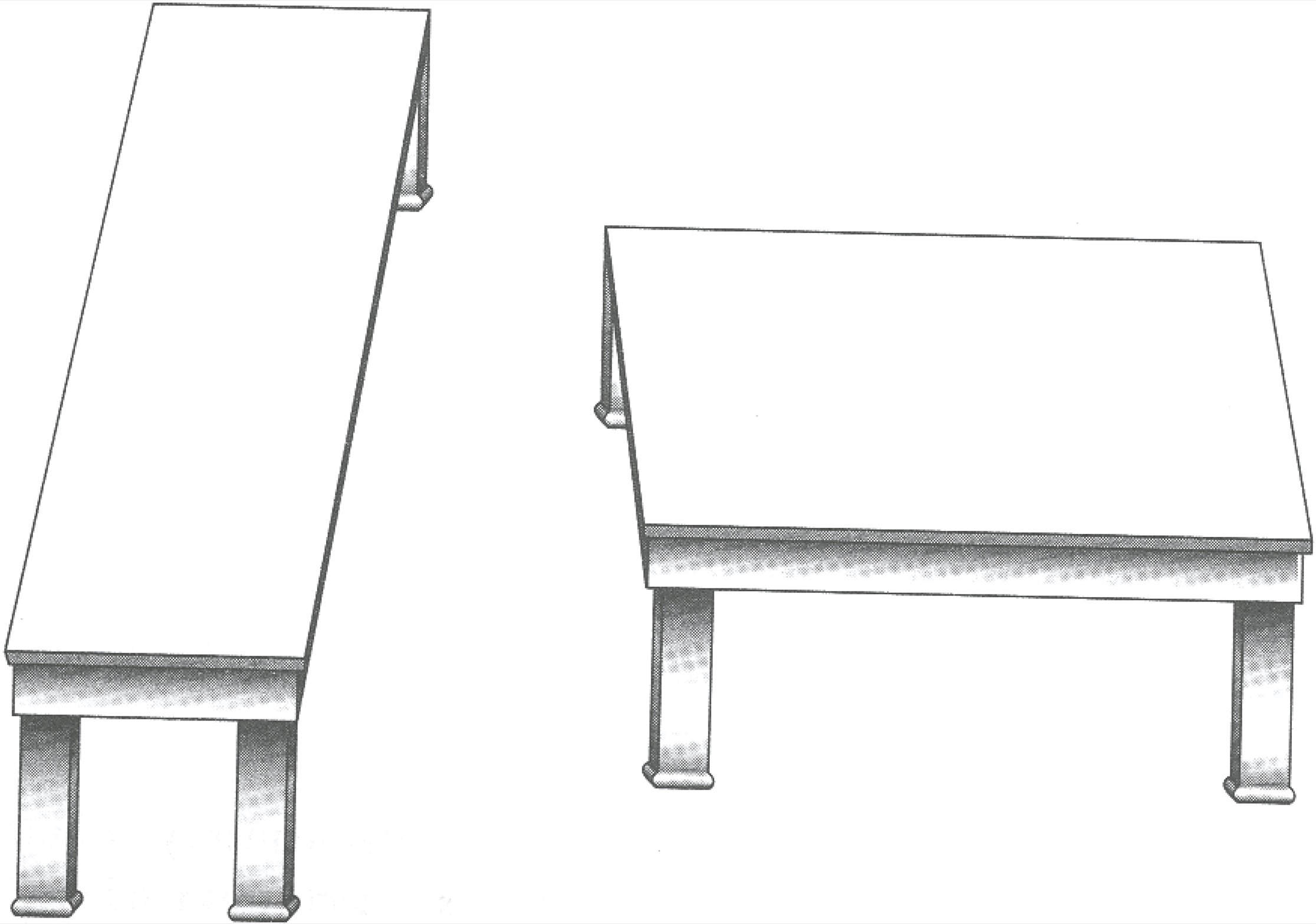
Figure 1.1. Two tables (Adapted from Shepard [1990])
Suppose that you are thinking about which one would work better as a coffee table in your living room. What would you say are the shapes of the two tables? Take a guess at the ratio of the length to the width of each. Just eyeball it.
If you are like most people, you think that the table on the left is much longer and narrower than the one on the right. Typical guesses are that the ratio of the length to the width is 3:1 for the left table and 1.5:1 for the right table. Now take out a ruler and measure each table. You will find that the shapes of the two tabletops are identical. Measure them until you are convinced, because this is a case where seeing is not believing. (When Thaler showed this example to Sunstein at their usual lunch haunt, Sunstein grabbed his chopstick to check.)
What should we conclude from this example? If you see the left table as longer and thinner than the right one, you are certifiably human. There is nothing wrong with you (well, at least not that we can detect from this test). Still, your judgment in this task was biased, and predictably so. No one thinks that the right table is narrower! Not only were you wrong; you were probably confident that you were right. If you like, you can put this visual to good use when you encounter others who are equally human and who are disposed to gamble away their money, say, at a bar.
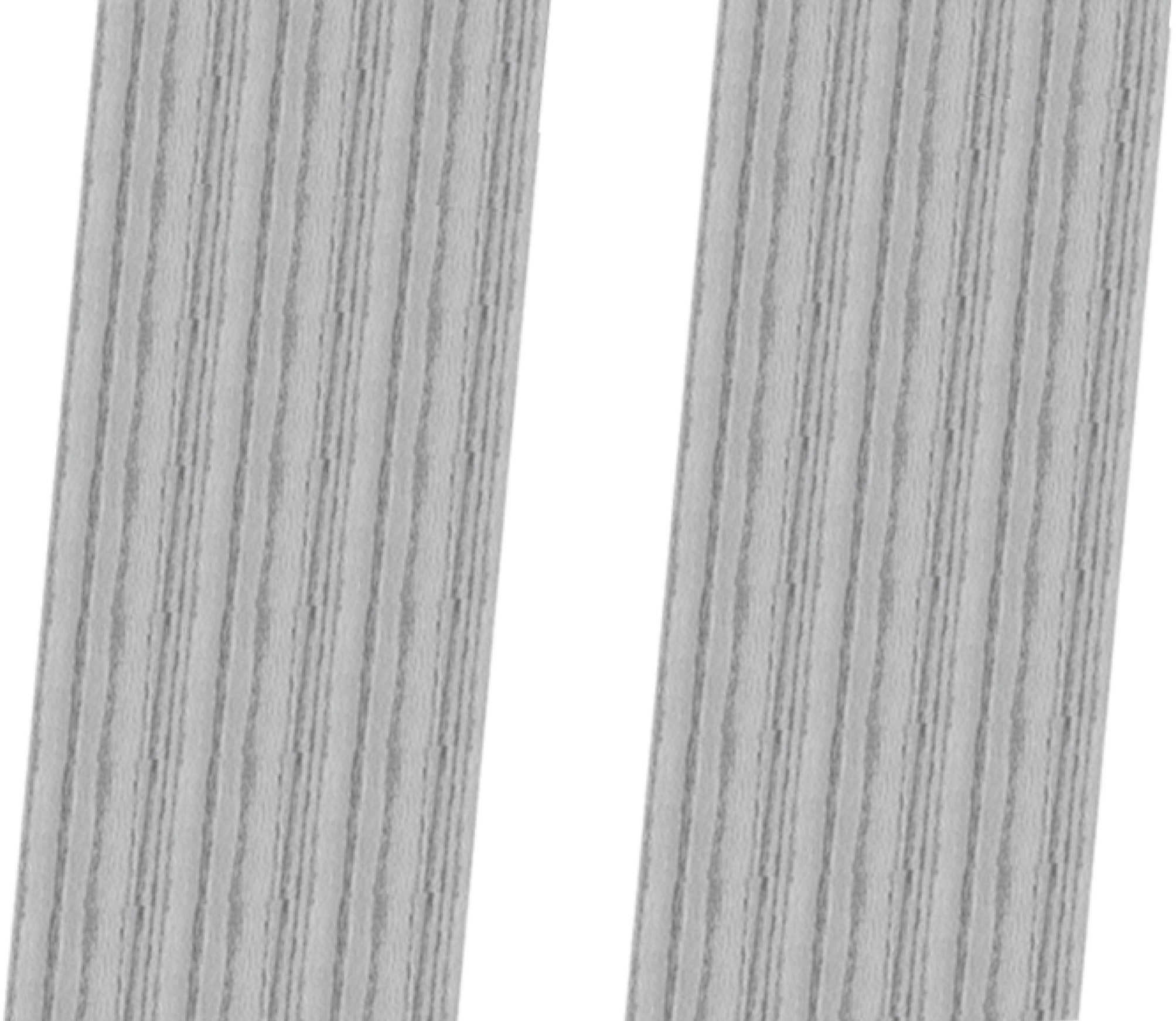
Figure 1.2. Tabletops (Adapted from Shepard [1990])
Now consider Figure 1.2. Do these two shapes look the same or different? Again, if you are human and have decent vision, you probably see these shapes as being identical, as they are. But these two shapes are just the tabletops from Figure 1.1, removed from their legs and reoriented. Both the legs and the orientation facilitate the illusion that the tabletops are different in Figure 1.1, so removing these distracters restores the visual system to its usual, amazingly accurate state.* These two figures capture the key insight that behavioral economists have borrowed from psychologists. Normally the human mind works remarkably well. We can recognize people we have not seen in years, understand the complexities of our native language, and run down a flight of stairs without falling. Some of us can speak twelve languages, improve the fanciest computers, or create the theory of relativity. However, even Albert Einstein, Bill Gates, and Steve Jobs would probably be fooled by those tables. That does not mean something is wrong with us as humans, but it does mean that our understanding of human behavior can be improved by appreciating how and when people systematically go wrong. Knowing something about the visual system allowed Roger Shepard, a psychologist and artist, to draw those deceptive tables.1
In the spirit of those tables, this chapter will spell out some of the most important ways that human judgment and decision making diverge from the predictions of models based on optimization. Before we get started, though, we want to stress that we are not saying that people are irrational. We avoid using that unhelpful and unkind term, and we certainly don’t think that people are dumb. Rather, the problem is that we are fallible and life is hard. If every time we went food shopping, we tried to solve the problem of choosing the very best possible combination of items to buy, we would never get out of the store. Instead, we take sensible shortcuts, and we try to get home before we start eating the things in our cart. We are human.
When to use it
When designing product packaging or displays, be aware that visual context can alter perceived size or shape, potentially influencing consumer preference.
In negotiations, recognize that opponents may be biased by irrelevant contextual details; present information in a neutral frame to reduce bias.
When analyzing data visualizations, consider how orientation, colors, or labels might create misleading impressions and strive for clarity.
In hiring, be cautious of first impressions or irrelevant cues (e.g., appearance of a resume) that may distort assessment of qualifications.
FROM THEORY TO EVERYDAY LIFE
In practice
Shepard's Table Illusion
Two tabletops appear to have different length-to-width ratios (3:1 vs 1.5:1) but are actually identical in shape. Context (legs and orientation) biases visual perception.
Removing Distracters Restores Accuracy
When the legs are removed and the tabletops are reoriented (Figure 1.2), the illusion disappears, and the identical shapes are correctly perceived. This shows how removing misleading cues can improve judgment.
A MOMENT TO REFLECT
Put it to work.
Recall a situation where a seemingly obvious judgment turned out to be wrong due to context or framing. What cues misled you?
How might advertisers or politicians exploit visual or cognitive illusions to influence decisions?
What everyday shortcuts (heuristics) do you use that could lead to systematic errors? How can you become more aware of them?
References
- Shepard's Tables — Roger Shepard (1990)
CONTINUE THE CONVERSATION
Source texts
- Nudge The Final Edition (Richard H. Thaler Cass R. Sunstein)